You know that sinking feeling when you buy a new foundation, only to get home and realize it makes you look like a ghost or, worse, an Oompa Loompa? You’re not alone. Finding a foundation that genuinely blends into your skin is one of the most common—and frustrating—beauty struggles out there. The good news is, it’s not magic. It’s a mix of understanding your skin’s unique needs and knowing what to look for. By the time you finish reading, you’ll be equipped to decode your undertone, nail your formula and finish preferences, and test like a pro—so you can finally say goodbye to mismatched makeup forever.
Let’s start with the biggest game-changer: your skin’s undertone. This isn’t about whether your skin is light or dark; it’s about the subtle hue beneath the surface that determines whether a foundation looks harmonious or jarring. Most people fall into three categories: cool, warm, or neutral. Cool undertones have hints of pink, red, or blue. Warm undertones lean toward yellow, golden, or peachy hues. If you can’t tell, you’re likely neutral—a balance of both. One quick trick? Check the veins on your wrist under natural light. If they look blue or purple, you’re probably cool-toned. Greenish veins suggest warm undertones. If it’s a mix, welcome to the neutral club. Another clue: how your skin reacts to jewelry. Silver often flatters cool undertones, while gold lights up warm ones. If both look good, you’re neutral.
Once you’ve pinned down your undertone, it’s time to think about coverage and finish. Do you want a barely-there look or full coverage that hides everything? Are you going for dewy, matte, or natural? Your skin type plays a huge role here. If you’re oily, a matte or semi-matte foundation can help control shine throughout the day. Dry skin? Hydrating, luminous formulas with a dewy finish will prevent flakiness and add a healthy glow. Combination skin can be tricky—you might need to balance a matte T-zone with a more radiant cheek area. And if you’re acne-prone or have redness, a buildable medium-to-full coverage foundation lets you layer without looking cakey. Don’t forget to consider your lifestyle. A long-wearing, transfer-resistant formula is a must for hot days or long events.
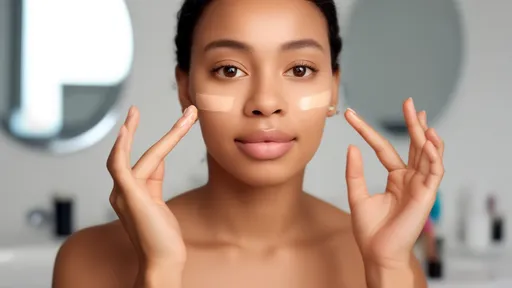
Now, the moment of truth: testing. Never, ever swatch foundation on your hand or wrist. The skin there is often a different shade than your face. Instead, apply stripes of your top contenders along your jawline, from your cheek down to your neck. The right shade should disappear seamlessly into both areas. This step is crucial because it ensures your foundation doesn’t create a mask-like line. Check the match in natural daylight—store lighting can be deceiving. Walk near a window or step outside if you can. Give it a few minutes to oxidize; some foundations darken slightly as they dry down. If it still looks invisible after 10 minutes, you’ve found your match.
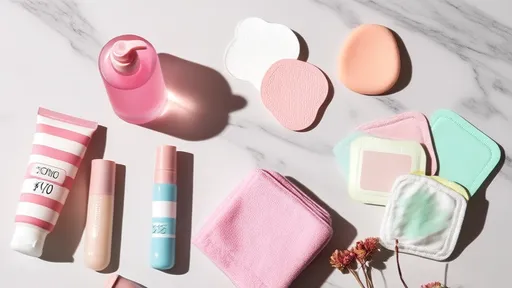
Even with the right undertone and finish, application can make or break your foundation. The tools you use matter. Fingers work well for a natural, skin-like finish, as the warmth helps blend product seamlessly. A damp beauty sponge gives a dewy, airbrushed effect and is great for avoiding streaks. Brushes offer more precision and can build coverage efficiently. Prep is just as important. Start with a clean, moisturized face. Use a primer to smooth texture, minimize pores, and help your foundation last longer. If you have dry patches, exfoliate gently beforehand. Oily skin? A mattifying primer can be your best friend. Apply foundation in thin layers, building up only where you need extra coverage. This way, it looks like skin, not makeup.
Let’s talk about common mistakes that lead to foundation fails. The biggest one? Buying a shade too light in hopes of “brightening” your face—this usually results in a pale, ashy look. Always match to your jawline, not your hand. Another pitfall is ignoring seasonal changes. Your winter shade might not work in summer, so have two shades on hand and mix them as needed. Also, skipping skincare prep can ruin even the best foundation. Flaky skin or excess oil will cause patchiness or sliding. And don’t forget to blend down your neck a bit to avoid that telltale line. Finally, setting your foundation with a translucent powder can lock it in place, but over-powdering can make it look dry and heavy. Less is more.
Finding your perfect foundation isn’t just about looking good—it’s about feeling confident. When your base is flawless, the rest of your makeup falls into place effortlessly. It’s that boost of self-assurance you get from knowing your skin looks healthy and even. Think of foundation as your canvas; it sets the stage for everything else. And remember, the goal isn’t to mask your skin, but to enhance it. The right match should let your natural beauty shine through, not hide it. Embrace the process—it’s a journey of learning what works for you, and the payoff is worth every minute spent testing and tweaking.
So, take these tips and run with them. Start by identifying your undertone, then play with formulas and test properly. Don’t be afraid to ask for samples at beauty counters—it’s the best way to try before you buy. Your perfect foundation is out there, waiting to become your new secret weapon. Trust me, once you find it, you’ll wonder how you ever settled for anything less. Ready to nail your match? Your future flawless-faced self is already thanking you.

By David Anderson/Nov 18, 2025
By Grace Cox/Nov 18, 2025

By David Anderson/Nov 18, 2025

By William Miller/Nov 18, 2025

By Rebecca Stewart/Nov 18, 2025

By Sophia Lewis/Nov 18, 2025
By Rebecca Stewart/Nov 18, 2025

By Ryan Martin/Nov 18, 2025

By Victoria Gonzalez/Nov 18, 2025
By Lily Simpson/Nov 18, 2025

By Sarah Davis/Nov 18, 2025

By Emily Johnson/Nov 18, 2025

By Emma Thompson/Nov 18, 2025

By Megan Clark/Nov 18, 2025

By Daniel Scott/Nov 18, 2025

By Noah Bell/Nov 18, 2025
By Noah Bell/Nov 18, 2025
By Grace Cox/Nov 18, 2025

By James Moore/Nov 18, 2025
By Olivia Reed/Nov 18, 2025