You know that frustrating moment when you've styled your hair perfectly, only to step outside and watch it transform into a fluffy, undefined mess within minutes? Frizz is more than just a bad hair day—it’s a daily battle against humidity, dryness, and hair that seems to have a mind of its own. The good news is that taming frizz isn’t about fighting your hair’s natural texture; it’s about working with it. By the end of this guide, you’ll understand exactly why frizz happens and how to keep it under control with simple, effective strategies that fit into any routine.
Let’s start with the basics: what causes frizz in the first place? Your hair is made up of layers, and the outer layer, called the cuticle, acts like a protective shield. When this cuticle is lifted—due to humidity, damage, or lack of moisture—it allows moisture from the air to seep in, causing strands to swell and frizz. Think of it like a sponge; dry, porous hair soaks up ambient moisture, while healthy, sealed hair resists it. This is why frizz tends to be worse on humid days or if your hair is chemically treated or heat-damaged. Understanding this is the first step to tackling the problem at its root.
One of the most common mistakes people make is overwashing their hair. Shampooing too frequently can strip your scalp and strands of natural oils, leaving your hair dry and more prone to frizz. If you have curly or wavy hair, you might find that washing every other day—or even just twice a week—makes a huge difference. When you do shampoo, focus on your scalp and let the suds rinse through the ends. For a quick fix, try co-washing (using conditioner only) between shampoos to maintain moisture without over-cleansing. I’ve seen clients transform their hair simply by adjusting their washing schedule.
Conditioner is your best friend in the fight against frizz, but it’s all about how you use it. Apply a generous amount of conditioner from mid-lengths to ends, and let it sit for at least three to five minutes before rinsing with cool water. The cool water helps to seal the cuticle, locking in moisture and adding shine. For an extra boost, incorporate a weekly deep conditioning treatment. Look for products containing shea butter, argan oil, or coconut oil—these ingredients are excellent for hydrating and smoothing the hair shaft. A client of mine swears by a DIY avocado and honey mask; she mixes one ripe avocado with a tablespoon of honey, applies it to damp hair, and leaves it on for 20 minutes before rinsing. Her frizz has reduced dramatically since she started this routine.
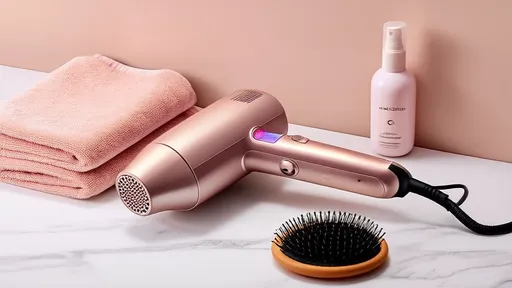
How you dry your hair matters just as much as how you wash it. Rubbing your hair vigorously with a towel might feel efficient, but it roughs up the cuticle and creates friction, leading to more frizz. Instead, gently squeeze out excess water with a soft microfiber towel or an old cotton t-shirt. These materials are less abrasive than regular towels and help to minimize breakage. When it comes to heat styling, always use a heat protectant spray. I recommend applying it section by section to ensure even coverage. If you’re air-drying, try not to touch your hair too much as it dries; constant handling can disrupt the cuticle and encourage frizz.
Choosing the right products can make or break your frizz-control efforts. Serums, oils, and leave-in conditioners are great for providing a protective barrier against humidity. A little goes a long way—start with a pea-sized amount of serum or oil, emulsify it between your palms, and apply it evenly through your hair, focusing on the ends. Avoid applying too much product at the roots, as this can weigh your hair down. For those with fine hair, lightweight sprays or mousses might be a better option. I tested over a dozen anti-frizz serums, and the ones with silicone derivatives (like dimethicone) worked best for immediate smoothness, though it’s important to clarify your hair occasionally to prevent buildup.
Protecting your hair while you sleep is another game-changer. Cotton pillowcases can absorb moisture from your hair and cause friction, so switch to a silk or satin pillowcase. These materials are smoother and help to retain your hair’s natural oils. You can also try loosely braiding your hair or putting it in a loose bun on top of your head before bed to prevent tangles and reduce frizz overnight. One of my friends, who has thick, curly hair, started using a silk bonnet, and she woke up with defined curls and zero frizz for the first time in years. It’s a small change that delivers big results.
Beyond the practical steps, it’s important to address the emotional side of dealing with frizz. Many people feel self-conscious or frustrated when their hair doesn’t look the way they want it to. Remember that frizz is a natural characteristic of many hair types, and embracing your texture is part of the journey. Instead of aiming for perfectly sleek hair every day, focus on enhancing your hair’s health and natural beauty. Celebrate the good hair days and don’t stress over the bad ones. Over time, these consistent habits will not only reduce frizz but also boost your confidence.
Taming frizz is really about consistency and understanding what your hair needs. It’s not about finding one miracle product but building a routine that supports your hair’s health. Start with one change—maybe switching your towel or adjusting your washing frequency—and notice the difference it makes. Your hair will thank you for the extra care, and you’ll feel more in control, no matter the weather. For more personalized tips, follow along for weekly hair care insights and product recommendations tailored to your texture.

By David Anderson/Nov 18, 2025
By Grace Cox/Nov 18, 2025

By David Anderson/Nov 18, 2025

By William Miller/Nov 18, 2025
By Rebecca Stewart/Nov 18, 2025

By Sophia Lewis/Nov 18, 2025
By Rebecca Stewart/Nov 18, 2025

By Ryan Martin/Nov 18, 2025

By Victoria Gonzalez/Nov 18, 2025
By Lily Simpson/Nov 18, 2025

By Sarah Davis/Nov 18, 2025

By Emily Johnson/Nov 18, 2025

By Emma Thompson/Nov 18, 2025

By Megan Clark/Nov 18, 2025
By Daniel Scott/Nov 18, 2025

By Noah Bell/Nov 18, 2025
By Noah Bell/Nov 18, 2025

By Grace Cox/Nov 18, 2025

By James Moore/Nov 18, 2025
By Olivia Reed/Nov 18, 2025