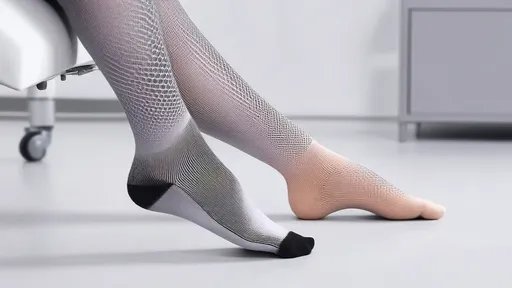
The world of medical compression wear has undergone a quiet revolution in recent years, blending clinical efficacy with aesthetic appeal. Among these innovations, anti-thrombosis compression stockings stand out as a prime example of how functional medical devices can transcend their purely therapeutic role. These specialized garments, once relegated to the realm of unattractive beige leg coverings, now embody what industry insiders call "gradient compression aesthetics" - a harmonious marriage of science and style.
At the heart of this transformation lies a fundamental understanding that patient compliance improves when medical devices don't make wearers feel self-conscious. The modern anti-thrombosis stocking combines precisely calibrated pressure gradients with thoughtful design elements that could easily pass for fashionable hosiery. This paradigm shift didn't happen overnight; it represents years of material science advancements, biomechanical research, and perhaps most surprisingly, collaborations with fashion designers.
The science behind gradient compression remains uncompromised in these aesthetically enhanced stockings. Medical-grade fabrics still apply the crucial 18-22 mmHg pressure at the ankle that gradually decreases up the leg, promoting healthy blood flow and preventing venous stasis. What's changed is how this technology gets packaged - literally and figuratively. Design teams now work with medical engineers from the initial prototyping stage, ensuring that seam placement, color options, and texture choices don't interfere with therapeutic function while dramatically improving visual appeal.
Materials innovation has been pivotal in this aesthetic evolution. New generation microfiber blends offer the same medical benefits as traditional fabrics while allowing for sheerer constructions and better breathability. Some premium lines incorporate silver ion technology for antimicrobial properties without compromising the garment's visual subtlety. The result? Stockings that patients actually want to wear, whether they're recovering from surgery or managing chronic venous insufficiency.
Market response to these design-forward medical stockings has been overwhelmingly positive. Clinicians report higher patient adherence to compression therapy protocols when prescribed the more fashionable options. Retailers note that younger demographics, particularly women in their 30s and 40s who may be at risk for travel-related thrombosis, are proactively purchasing these stockings as preventive measures rather than waiting for medical necessity. This shift represents a significant public health victory - making preventive care desirable rather than merely dutiful.
The aesthetic considerations extend beyond mere appearance. Design teams carefully consider how these stockings interact with contemporary footwear - accounting for everything from ballet flats to knee-high boots. Reinforced toe areas might be rendered in sheer black rather than medical beige; graduated compression zones get cleverly disguised as fashionable patterning. Some manufacturers even offer seasonal color updates, recognizing that compression therapy often becomes a long-term lifestyle rather than a temporary intervention.
This fusion of form and function hasn't gone unnoticed by the broader fashion industry. Several luxury brands have partnered with medical compression manufacturers to create limited-edition lines, bringing anti-thrombosis wear into the realm of high fashion. While these collaborations represent a niche market, they've served an important purpose in destigmatizing compression wear and positioning it as both a health-conscious and style-savvy choice.
Looking ahead, the gradient compression aesthetic movement shows no signs of slowing. Emerging technologies like 3D knitting allow for truly customized stockings that match individual leg measurements while incorporating personal style preferences. Smart textile integrations may soon enable stockings that change compression levels dynamically or monitor circulatory health - all while maintaining their fashionable facade. As the line between medical device and everyday apparel continues to blur, patients stand to benefit from solutions that address both physical health and psychological wellbeing.
The story of anti-thrombosis stockings' aesthetic transformation offers a compelling case study in medical product design. It demonstrates that when clinical effectiveness gets paired with thoughtful design, the results can improve both health outcomes and quality of life. In an era where consumers increasingly expect healthcare products to fit seamlessly into their lifestyles, gradient compression aesthetics represents more than just pretty packaging - it's a new standard for therapeutic wearables that honor the whole person, not just the condition being treated.

By /Jul 25, 2025

By /Jul 25, 2025

By /Jul 25, 2025
By /Jul 25, 2025

By /Jul 25, 2025

By /Jul 25, 2025

By /Jul 25, 2025

By /Jul 25, 2025

By /Jul 25, 2025

By /Jul 25, 2025

By /Jul 25, 2025

By /Jul 25, 2025

By /Jul 25, 2025

By /Jul 25, 2025

By /Jul 25, 2025

By /Jul 25, 2025
By /Jul 25, 2025
By /Jul 25, 2025

By /Jul 25, 2025