The wind energy sector has long been celebrated for its role in reducing carbon emissions and fostering sustainable development. However, as the industry matures, it faces an emerging challenge: what to do with decommissioned wind turbine blades. These colossal structures, primarily made of composite materials like fiberglass and carbon fiber, are notoriously difficult to recycle. Enter an innovative solution that’s turning heads in both the sustainability and fashion worlds—repurposing retired turbine blades into high-end, durable handbags.
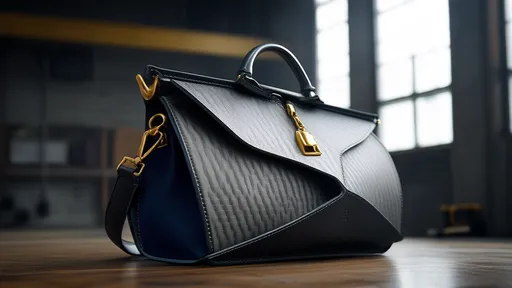
The concept of transforming wind turbine blades into fashion accessories might seem unconventional at first glance, but it’s a testament to human ingenuity. Companies specializing in sustainable design have begun collaborating with wind farms to salvage blades that have reached the end of their operational life. The process involves carefully dismantling the blades, extracting the rigid sections, and treating them to create sleek, hard-shell casings for handbags. The result is a product that’s not only eco-conscious but also strikingly unique in its aesthetic.
Why turbine blades? The answer lies in their material composition. Wind turbine blades are engineered to withstand extreme weather conditions, making them incredibly durable. This durability translates well into the world of accessories, where longevity is a prized quality. The composite materials, once processed, can be molded into smooth, lightweight panels that retain their structural integrity. Designers have found that these panels can be polished, colored, or even left in their raw state to showcase the blade’s original texture, offering a distinct visual appeal.
The journey from blade to bag is far from simple. It begins with the careful deconstruction of the turbine, a task that requires specialized equipment and expertise. Once the blades are removed, they are transported to facilities where they are cut into manageable sections. The sections are then cleaned and treated to remove any residues or coatings. Next, the material is sanded and shaped into the desired form, often with the help of CNC machines for precision. The final step involves assembling the handbag, which may include adding linings, hardware, and straps made from other recycled materials.
Environmental impact is at the heart of this innovation. Traditional disposal methods for wind turbine blades, such as landfilling or incineration, pose significant environmental risks. By repurposing these blades into consumer products, companies are diverting tons of waste from landfills and reducing the demand for virgin materials. This circular approach aligns with broader sustainability goals, offering a tangible example of how industries can rethink waste streams. Moreover, the handbags serve as conversation starters, raising awareness about the importance of sustainable practices in renewable energy.
The market response has been overwhelmingly positive. Eco-conscious consumers, particularly those in the luxury segment, are drawn to the story behind these handbags. Each piece carries a narrative of renewal, embodying the transition from industrial utility to high fashion. Limited-edition releases featuring blades from iconic wind farms have sold out within hours, underscoring the demand for products that blend sustainability with exclusivity. Brands leading this movement are also exploring collaborations with artists and designers to further elevate the aesthetic and functional aspects of the bags.
Challenges remain, of course. Scaling production to meet demand while maintaining the handmade quality of each bag is a delicate balance. There’s also the question of consistency—since each turbine blade has its own wear patterns and imperfections, no two handbags are exactly alike. Yet, these quirks are often celebrated as part of the product’s charm. Additionally, the logistics of sourcing and transporting retired blades can be complex, requiring close coordination with wind energy providers.
Looking ahead, the potential applications for repurposed turbine blades extend far beyond handbags. Designers are experimenting with furniture, architectural elements, and even art installations, proving that the possibilities are limited only by imagination. As the wind energy sector continues to grow, so too will the need for innovative recycling solutions. The success of turbine blade handbags demonstrates that sustainability and style can go hand in hand, paving the way for a future where waste is not an endpoint, but a new beginning.
In a world increasingly focused on environmental responsibility, initiatives like this offer a glimmer of hope. They remind us that with creativity and collaboration, even the most daunting challenges can be transformed into opportunities. The next time you see a wind turbine spinning gracefully against the sky, consider the second life its blades might one day have—not as relics of the past, but as icons of a sustainable future.

By /Jul 25, 2025

By /Jul 25, 2025

By /Jul 25, 2025
By /Jul 25, 2025

By /Jul 25, 2025

By /Jul 25, 2025
By /Jul 25, 2025
By /Jul 25, 2025
By /Jul 25, 2025

By /Jul 25, 2025
By /Jul 25, 2025

By /Jul 25, 2025
By /Jul 25, 2025

By /Jul 25, 2025
By /Jul 25, 2025

By /Jul 25, 2025

By /Jul 25, 2025
By /Jul 25, 2025

By /Jul 25, 2025