The fashion industry's next frontier isn't on Paris runways or Milan showrooms - it's unfolding in the pixelated ateliers of the metaverse. A new breed of digital tailors are bridging the virtual and physical worlds by crafting real-world garments designed exclusively for customers' virtual avatars. This emerging sector turns the traditional design process inside out, creating clothes that originate from digital identity rather than physical form.
The Avatar as Client
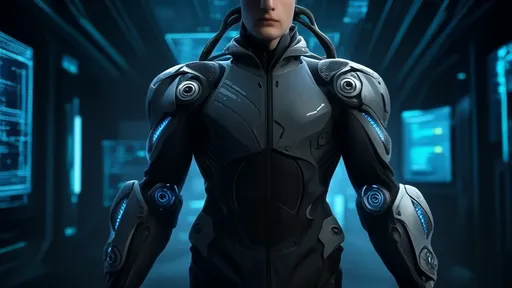
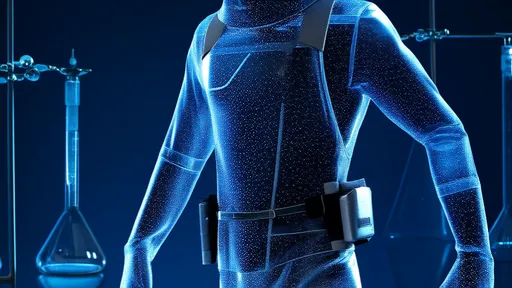
Imagine walking into a boutique where your 7-foot-tall neon-haired metaverse persona gets measured for a bespoke suit that will later arrive at your doorstep in earthly dimensions. This isn't science fiction - companies like Digital Drapers and NeoStitch are already offering such services. Their process begins with customers submitting 3D scans or detailed specifications of their virtual avatars, from exaggerated proportions to fantasy body modifications like elf ears or robotic limbs.
The implications are profound for both self-expression and accessibility. A wheelchair user's avatar might sport extravagant trailing gowns impossible to wear physically, which can now be translated into adaptive wearable versions. Petite women can order clothing designed for their towering warrior avatars, scaled down but retaining the distinctive style. The garments become wearable artifacts connecting two identities.
Technical Seamstress Work
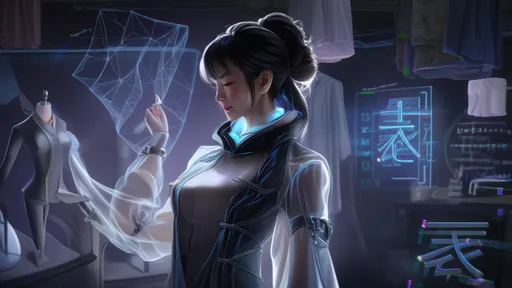
Converting digital designs into physical wearables requires solving unique challenges. Metaverse clothing often defies physics - floating accessories, clothing that phases through limbs, or materials that shimmer unnaturally. Tailors must reinterpret these elements for real-world functionality while preserving their essence. A cape that flows with programmed precision in virtual wind becomes weighted microfiber in reality. Holographic fabrics get replaced with iridescent silks that catch light similarly.
Pattern-making software has adapted to accommodate proportions that would make traditional tailors balk. When an avatar has a 28-inch waist but a 60-inch chest-to-hip ratio, algorithms adjust the grading rules to create viable physical patterns. Some companies use projection mapping to show clients how the digital design will translate before cutting fabric.
The Psychology of Dimensional Dressing
Psychologists are fascinated by what happens when people wear clothing designed for their alternate selves. Early adopters report feeling empowered when physical garments help manifest aspects of their digital identity. A Wall Street analyst might wear a subdued version of their cyborg avatar's armor-inspired blazer during client meetings, carrying subtle design cues that reference their online persona.
This phenomenon reverses the typical influencer effect where physical world trends migrate online. Now, digital-native aesthetics flow the opposite direction. We're seeing increased demand for items like elven ear tips that blend with human skin or shoes that create the illusion of hovering. The line between cosplay and everyday wear is blurring.
Economic Threads
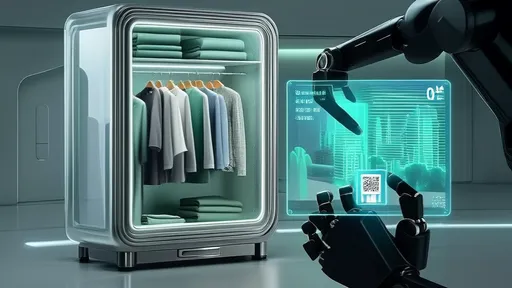
The business model shows surprising viability. While custom physical garments start around $800, clients prove willing to pay premium prices to materialize their digital identities. Some services offer subscription plans for seasonal "identity wardrobe" updates. Forward-thinking department stores have begun installing body scanners that capture both physical and preferred avatar measurements.
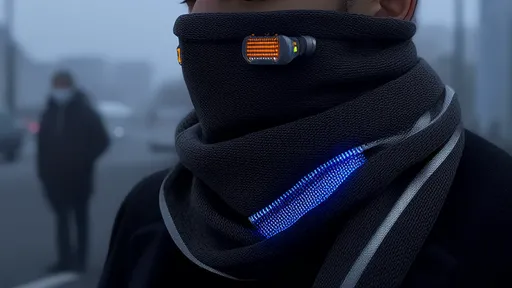
Fabric mills are developing new textiles specifically for this hybrid market. Thermochromic dyes change color based on body heat like programmed digital clothing. Programmable LED fibers allow real garments to mimic the dynamic color-shifting of metaverse wear. The next challenge? Creating materials that feel as extraordinary as they look - imagine leather that somehow replicates the weightlessness of virtual materials.
Cultural Stitching
This movement represents more than a novelty service - it's evolving into a cultural touchpoint about identity fluidity. As people spend increasing hours inhabiting avatars, the desire to integrate those selves into physical existence grows stronger. The clothes become talismans connecting multiple versions of self.
Fashion schools have taken notice. Several prestigious institutions now offer courses in "trans-dimensional design" teaching students to create parallel garments for physical and virtual bodies simultaneously. The curriculum includes studies in avatar anthropology - understanding how different communities customize their digital forms - alongside traditional tailoring techniques.
The most successful designers in this space blend technical skill with psychological insight. They're not just making clothes - they're crafting physical manifestations of how people see their ideal or alternative selves. In an age where identity becomes increasingly customizable, our wardrobe may become the most tangible bridge between who we are and who we imagine ourselves to be - in any dimension.

By /Jul 25, 2025

By /Jul 25, 2025

By /Jul 25, 2025
By /Jul 25, 2025

By /Jul 25, 2025
By /Jul 25, 2025
By /Jul 25, 2025
By /Jul 25, 2025
By /Jul 25, 2025

By /Jul 25, 2025
By /Jul 25, 2025

By /Jul 25, 2025
By /Jul 25, 2025
By /Jul 25, 2025
By /Jul 25, 2025
By /Jul 25, 2025
By /Jul 25, 2025
By /Jul 25, 2025

By /Jul 25, 2025