The ancient art of woodblock printing, a cornerstone of human communication for centuries, has found an unexpected modern application: the transfer of intricate patterns onto denim fabric. This innovative fusion of history and contemporary fashion draws inspiration from the Xixia (Western Xia) dynasty's wooden movable type, a lesser-known but pivotal development in the evolution of printing technology. The marriage of these two seemingly disparate worlds—12th-century Chinese innovation and 21st-century textile design—has sparked a quiet revolution in sustainable fashion and cultural preservation.
Deep in the Ningxia region of northwest China, archaeologists made a startling discovery in 1991—over 100,000 pieces of wooden type dating back to the Xixia dynasty (1038–1227). These artifacts predated Gutenberg's famous press by several centuries and represented one of the earliest known systems of movable type printing. The Xixia characters, carved from durable hardwoods like pear and jujube, bore intricate strokes that reflected the dynasty's unique script—a hybrid of Chinese and Tibetan influences. It was this very aesthetic that caught the attention of avant-garde textile designers searching for authentic, culturally rich patterns that could tell a story beyond mere decoration.
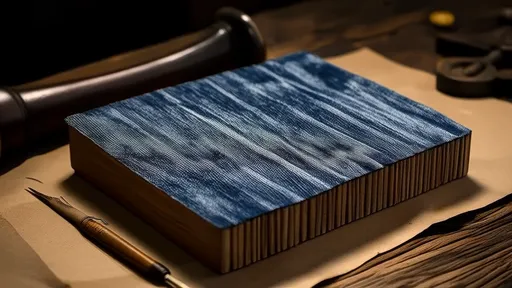
The process begins with artisans carefully studying and recreating Xixia characters using traditional woodcarving techniques. Unlike the mass-produced rubber stamps common in textile printing, each wooden type retains subtle variations in depth and texture—imperfections that become virtues when transferred to fabric. The characters are arranged in custom-designed compositions that balance historical accuracy with contemporary appeal, creating patterns that whisper of ancient Buddhist sutras while speaking the visual language of modern streetwear.
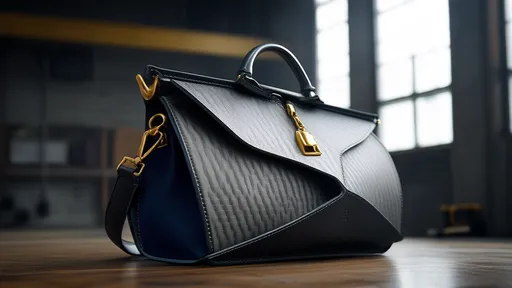
Denim, with its rugged durability and unique fading properties, proved the perfect canvas for this experiment in temporal fusion. The printing process employs a specialized indigo-based paste that penetrates the fabric's fibers differently than conventional textile inks. When artisans apply pressure to transfer the design, the wood grain and natural variations in the type create subtle tonal differences—effects impossible to achieve with digital printing methods. The result is fabric that appears to have been imprinted by history itself, with each piece developing a distinctive patina over time as the indigo fades and the cotton fibers relax.
Environmental considerations played a significant role in developing this technique. Traditional textile printing often relies on synthetic dyes and wasteful water consumption, whereas the Xixia-inspired method utilizes natural indigo and plant-based thickeners. The wooden type, when properly maintained, can last for decades of use—a stark contrast to the disposable screens employed in conventional fabric printing. This sustainability angle has attracted attention from eco-conscious brands seeking to reduce their environmental footprint while offering genuinely unique products.
Beyond its aesthetic and environmental merits, the project has sparked renewed academic interest in Xixia culture. Several previously obscure characters from the wooden type collection have been identified through their use in textile patterns, as designers collaborated with linguists to ensure historical accuracy. Museums specializing in Silk Road history have begun incorporating denim samples into their exhibits, creating unexpected bridges between ancient artifacts and contemporary material culture. This cross-pollination has helped fund further archaeological research while introducing younger generations to a little-known chapter of printing history.
The commercial response has been unexpectedly robust, with limited-edition garments featuring Xixia patterns commanding premium prices in Asian and European markets. Interestingly, the designs seem to resonate particularly strongly with consumers who have no prior knowledge of the Western Xia dynasty—proof that good design transcends cultural and temporal boundaries. Some high-profile collaborations with major fashion houses have incorporated entire phrases from Buddhist texts, printed so subtly that they appear as texture at first glance, revealing their true nature only upon closer inspection.
Challenges remain in scaling this technique for mass production without sacrificing its artisanal qualities. The manual alignment of wooden type—a process unchanged since the 12th century—creates bottlenecks that modern engineering struggles to overcome. Yet it's precisely these limitations that lend the fabrics their value, ensuring each yard bears the mark of human hands rather than machine precision. Some workshops have begun training programs to preserve both the woodcarving skills and the linguistic knowledge required to work with Xixia script, creating jobs that blend heritage conservation with cutting-edge design.
As this unlikely synergy between medieval technology and contemporary fashion continues to evolve, it raises fascinating questions about how other ancient innovations might find new life in modern contexts. The Xixia denim project stands as a testament to the enduring relevance of historical craftsmanship—not as museum-piece nostalgia, but as a living, breathing contributor to today's creative landscape. In an age of disposable fast fashion, these textiles woven from time itself offer something increasingly rare: garments with genuine depth, both literal and metaphorical.

By /Jul 25, 2025

By /Jul 25, 2025

By /Jul 25, 2025
By /Jul 25, 2025

By /Jul 25, 2025

By /Jul 25, 2025

By /Jul 25, 2025

By /Jul 25, 2025

By /Jul 25, 2025

By /Jul 25, 2025
By /Jul 25, 2025

By /Jul 25, 2025
By /Jul 25, 2025
By /Jul 25, 2025

By /Jul 25, 2025

By /Jul 25, 2025
By /Jul 25, 2025
By /Jul 25, 2025

By /Jul 25, 2025